Crimson Desert players can now change how the world around them appears, as a new mod can change the game's environment to match the four real-world seasons, including spring and autumn. The new Crimson Desertmod arrived a few weeks before the launch of the highly-anticipated Charting the Unknown expansion.
If you're craving that Animal Crossing aesthetic with a touch of Studio Ghibli charm thrown in, one new game might be right up your alley. Cozy games these days are a dime a dozen, which is great news for the cozy gaming community. On the other hand, this overabundance of coziness also makes it hard to know which titles are worth your time.
A new weekend has arrived, and today, you can save big on Star Wars Zero Company, Trails in the Sky 1st Chapter, Shuten Order, MLB The Show 26, and more. Check out our top picks for Sunday, October 4, below.
Star Wars Zero Company for $47.97
Star Wars Zero Company is one of the biggest sleeper hits of the year, and you can save $12 off a physical copy today at Amazon. In our 9/10 review, we wrote, "Star Wars Zero Company is an excellent tactical game that does a fantastic job of slathering on the same cinematic look and feel we saw in Respawn's Star Wars Jedi games, incorporating strong characters and a storyline that's refreshingly centered on non-Force users and a non-traditional villain."
Trails in the Sky 1st Chapter for $39.99
Trails in the Sky 1st Chapter is the first entry in the beloved Trails series, and last year's remake brought new life to the original game. With 2nd Chapter out now, today is a great time to dive into this wonderful RPG series.
AirPods Pro 3 for $179.99
AirPods Pro 3 are a fantastic upgrade over the 2nd generation, bringing a built-in heart rate sensor, redesigned eartips for better noise cancellation, and improved sound quality. Right now, you can score a pair for only $179 at Amazon. I've had a pair since launch and have been incredibly happy with them, especially coming from the original AirPods Pro.
Shuten Order for $49.99
Amazon has Nintendo Switch 2 copies of Shuten Order on sale today for $49.99, which is the lowest price we've seen to date. If you're unfamiliar, Shuten Order comes from DMM Games, Neilo, and Tookuo Games as a game that offers five different gameplay styles, such as a visual novel, stealth action, and more. Nintendo Switch copies are also on sale for $39.99.
Metroid Prime 4: Beyond for $49.99
Metroid Prime 4 was the Nintendo Switch 2's big December game last year, and you can score a physical Switch 2 copy at Woot this weekend for $49.99. In our 8/10 review, we wrote, "Metroid Prime 4: Beyond is an excellent, if relatively uneven, revival that reaches heights worthy of the Metroid name in its best moments."
LEGO Star Wars AT-AT for $51.99
Amazon has the LEGO Star Wars AT-AT set on sale for $51.99 right now. This 525-piece set features not only the AT-AT, but also the Rebel Alliance Snowspeeder as it attempts to take down the giant machine. LEGO has continued to rise in price over the years, so this 20% discount is certainly worth a look.
Save $10 off Ocarina of Time Remake Physical Copies
Similar to previous Nintendo Switch 2 physical releases, Amazon has The Legend of Zelda: Ocarina of Time available for $59.99 right now. This deal will end on release date, which is quickly approaching with us now in October. If you've yet to experience this masterpiece or are diving back into Hyrule, the Ocarina of Time remake is sure to be one of the most talked-about games of 2026.
Mega Man Star Force Legacy Collection for $29.99
Amazon has PS5 copies of Mega Man Star Force Legacy Collection on sale for $29.99 today, which saves you $10 off this collection of seven games. In our 8/10 review, we wrote, "The Mega Man Star Force Legacy Collection is the best way to play as the most underrated version of the Blue Bomber."
MLB The Show 26 for $29.99
If you're like me, this is the time where baseball truly gets exciting with October finally here. There's no better way to engage with the sport outside of watching it than with MLB The Show, and Amazon has copies of MLB The Show 26 available right now for $29.99. This is the lowest we've seen MLB The Show 26 all Summer, so now is a great time to pick up a copy as we head into the postseason.
Kirby Air Riders for $48.99
Kirby Air Riders was one of the biggest Nintendo Switch 2 exclusives in 2025, and today, you can score a physical copy for $48.99 at Amazon. There is plenty to do here, regardless of whether you are looking for single player or multiplayer content. Even if you feel like you already have your kart-racer fill with Mario Kart, Kirby Air Riders offers a unique and fun challenge that's quite different from anything else on the system.
A Knight of the Seven Kingdomshas proven to be the perfect treat for Game of Thrones fans, but it also scratches a particular fantasy itch that even the original series didn't. Based on George R. R. Martin's Dunk and Egg novellas, A Knight of the Seven Kingdoms dodges the grand scale and politics of Game of Thrones to focus on a smaller-scale approach.
There's a lot to be said for clean, sleek design, especially in the chaotic world of board game kickstarters where busy, overdesigned products are often the rule rather than the exception. This is why I was pleasantly surprised by the crowdfunding campaign for Arctica, a competitive ecosystem-building game for one to four players. Its crisp aesthetic, modular board design, and novel gear-based player boards caught my attention among the scramble of board game crowdfunders. If you're a fan of thoughtful, nature-focused games like Wingspan, it may well capture yours, too.
Before Portal introduced us to everyone's favorite female AI overlord, System Shock 2 tackled the topic in a much darker way. BioShock creator Ken Levine cut his teeth on post-apocalyptic horror with this iconic title. The game was developed by Irrational Games and Looking Glass Studios and originally released in 1999, and has become a classic for its masterful storytelling and pulse-pounding moments of dread.
Cyberpunk 2077 has officially climbed above Gears of War: E-Day on Steam's global Top Sellers chart. The result puts the nearly six-year-old RPG ahead of one of Xbox's biggest first-party releases during its launch window, serving as yet another reminder of the remarkably long tail that Cyberpunk 2077 has achieved.
The PlayStation 5 still remains the dominant player in the console gaming market, and even without as many triple-A exclusives as it used to, it has still been managing to sell out consoles in anticipation of upcoming releases. While part of this reason is that the PlayStation 5 is still too recent for the system to be reliably emulated, a recent breakthrough might be taking the advantage away from Sony.
Final Fantasy 7 Revelation game director Naoki Hamaguchi said he put forward a case for a full physical release of the upcoming open-world RPG, but was limited in his authority over what he could push. Final Fantasy 7 Revelation launches on April 8 on all current-gen platforms.
Efficiency, productivity, the ruthless destruction of local environments in the name of the bottom line - the Satisfactory video game revels in some of the very worst excesses of modern capitalism. However, more than just satire, the engine-building game offers a robust and deeply satisfying series of systems for players to use to meet the ruthless quotas of the FICSIT corporation. This sort of ludonarrative confluence is delicious, and it's something that the folks at MOOD Publishing and Coffee Stain Studios are trying to capture as they aim to take Satisfactory from screen to tabletop in an upcoming crowdfunding campaign.
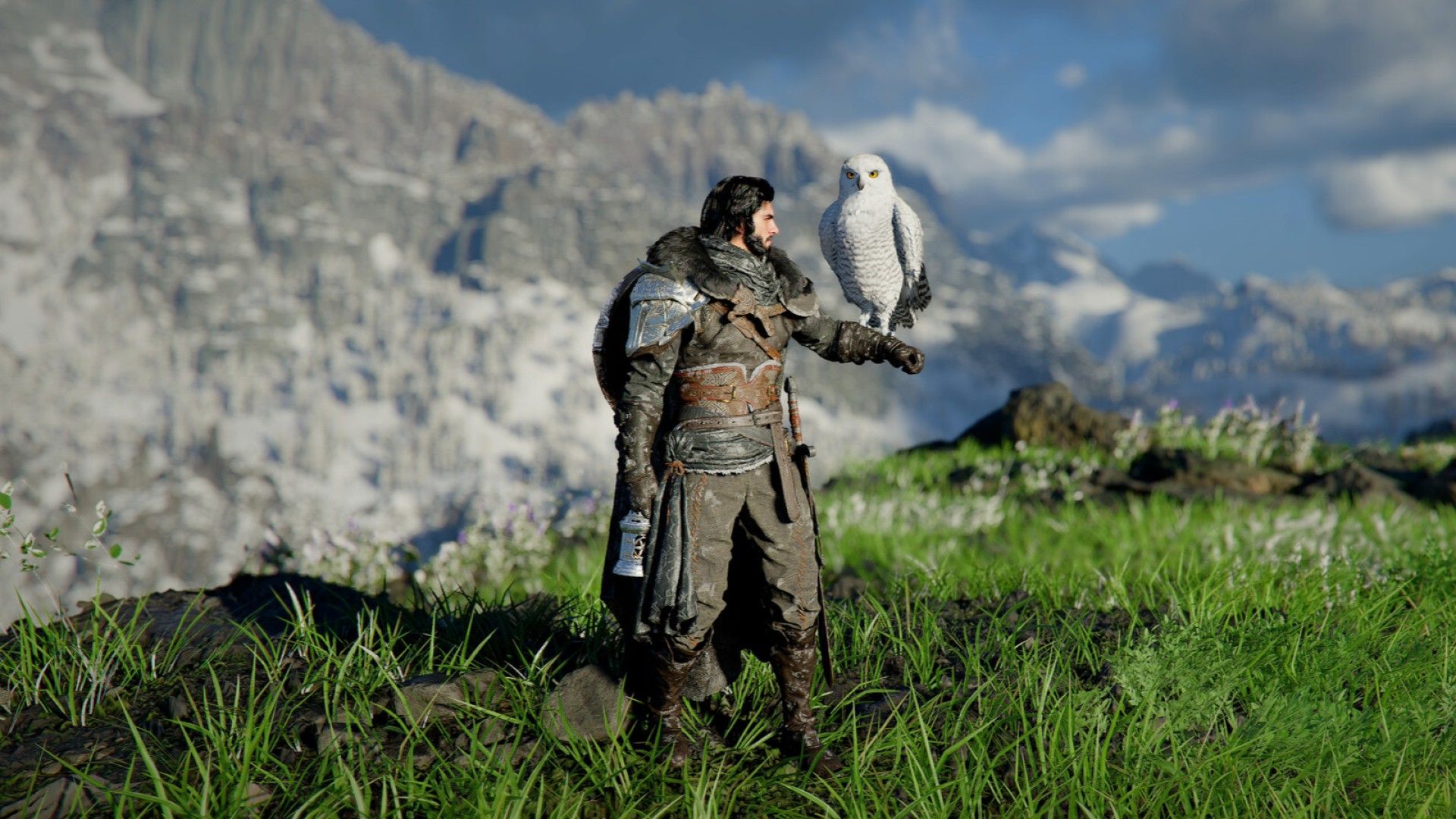 Crimson Desert players can now change how the world around them appears, as a new mod can change the game's environment to match the four real-world seasons, including spring and autumn. The new
 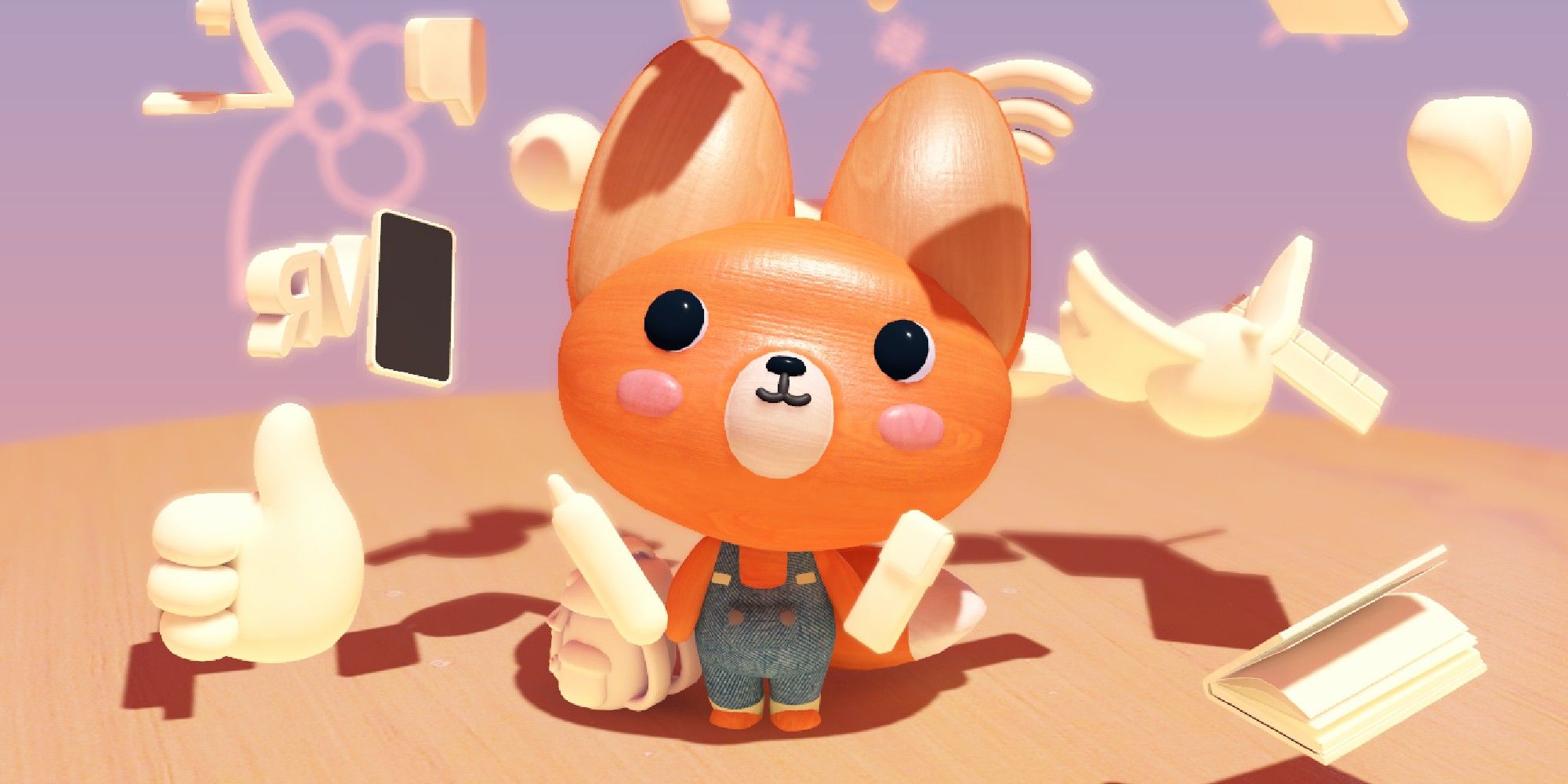 If you're craving that
  A new weekend has arrived, and today, you can save big on Star Wars Zero Company, Trails in the Sky 1st Chapter, Shuten Order, MLB The Show 26, and more. Check out our top picks for Sunday, October 4, below.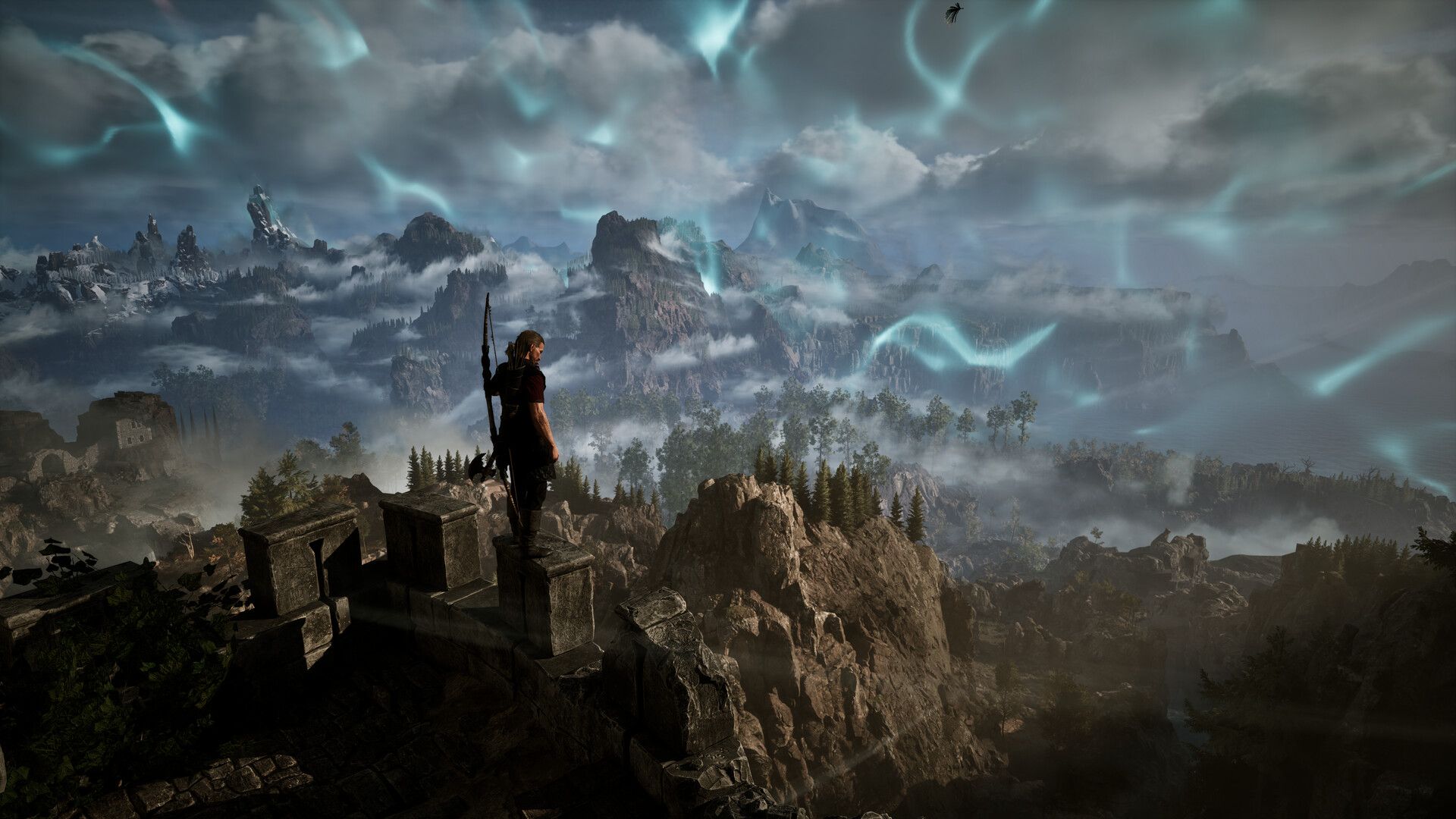
 There's a lot to be said for clean, sleek design, especially in the chaotic world of board game kickstarters where busy, overdesigned products are often the rule rather than the exception. This is why I was pleasantly surprised by the crowdfunding campaign for Arctica, a competitive ecosystem-building game for one to four players. Its crisp aesthetic, modular board design, and novel gear-based player boards caught my attention among the scramble of board game crowdfunders. If you're a fan of thoughtful, nature-focused games like Wingspan, it may well capture yours, too.
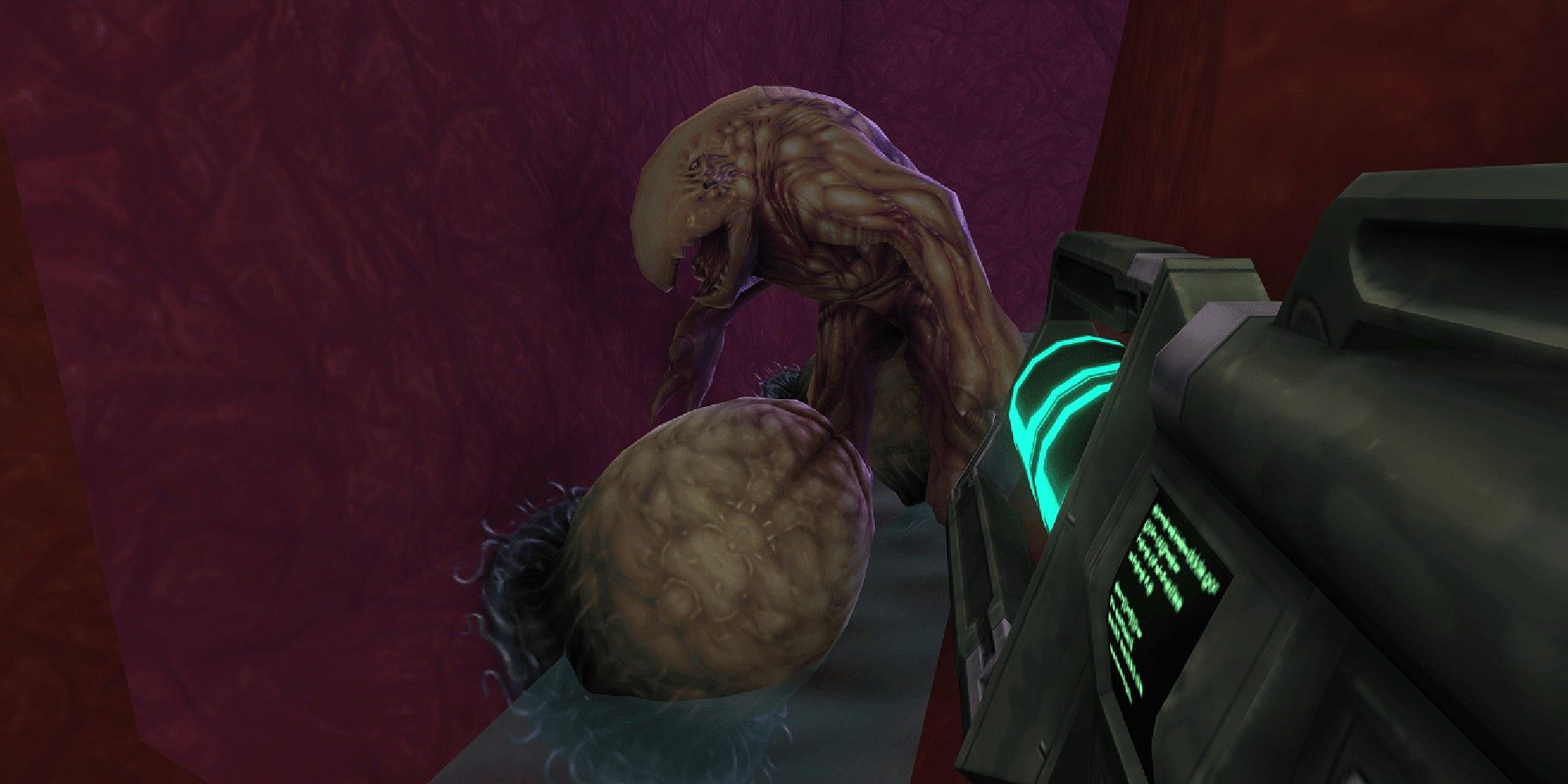 Before Portal introduced us to everyone's favorite female AI overlord,
 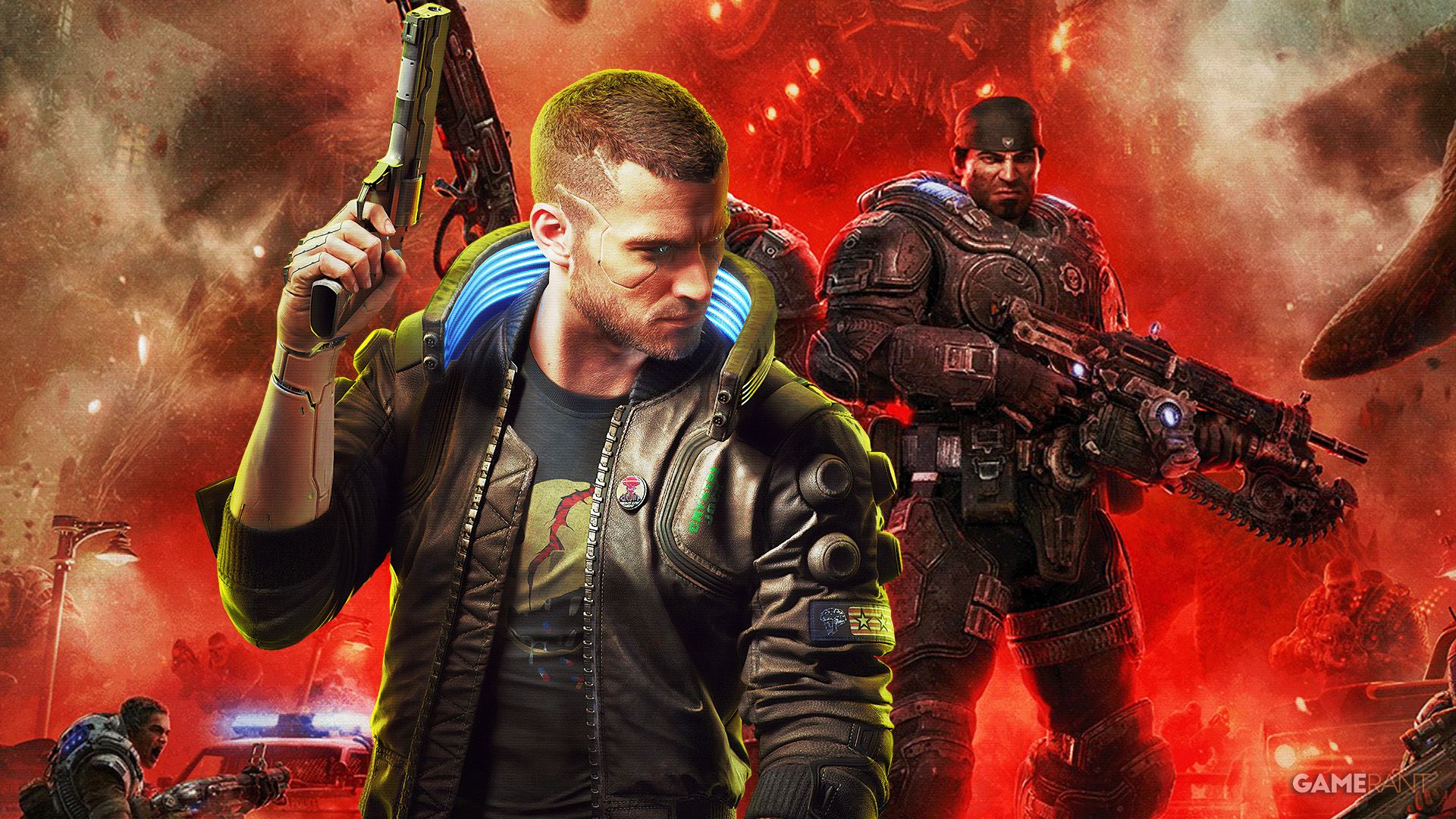 Cyberpunk 2077 has officially climbed above Gears of War: E-Day on Steam's global Top Sellers chart. The result puts the nearly six-year-old RPG ahead of one of Xbox's biggest first-party releases during its launch window, serving as yet another reminder of the remarkably long tail that
  The
The 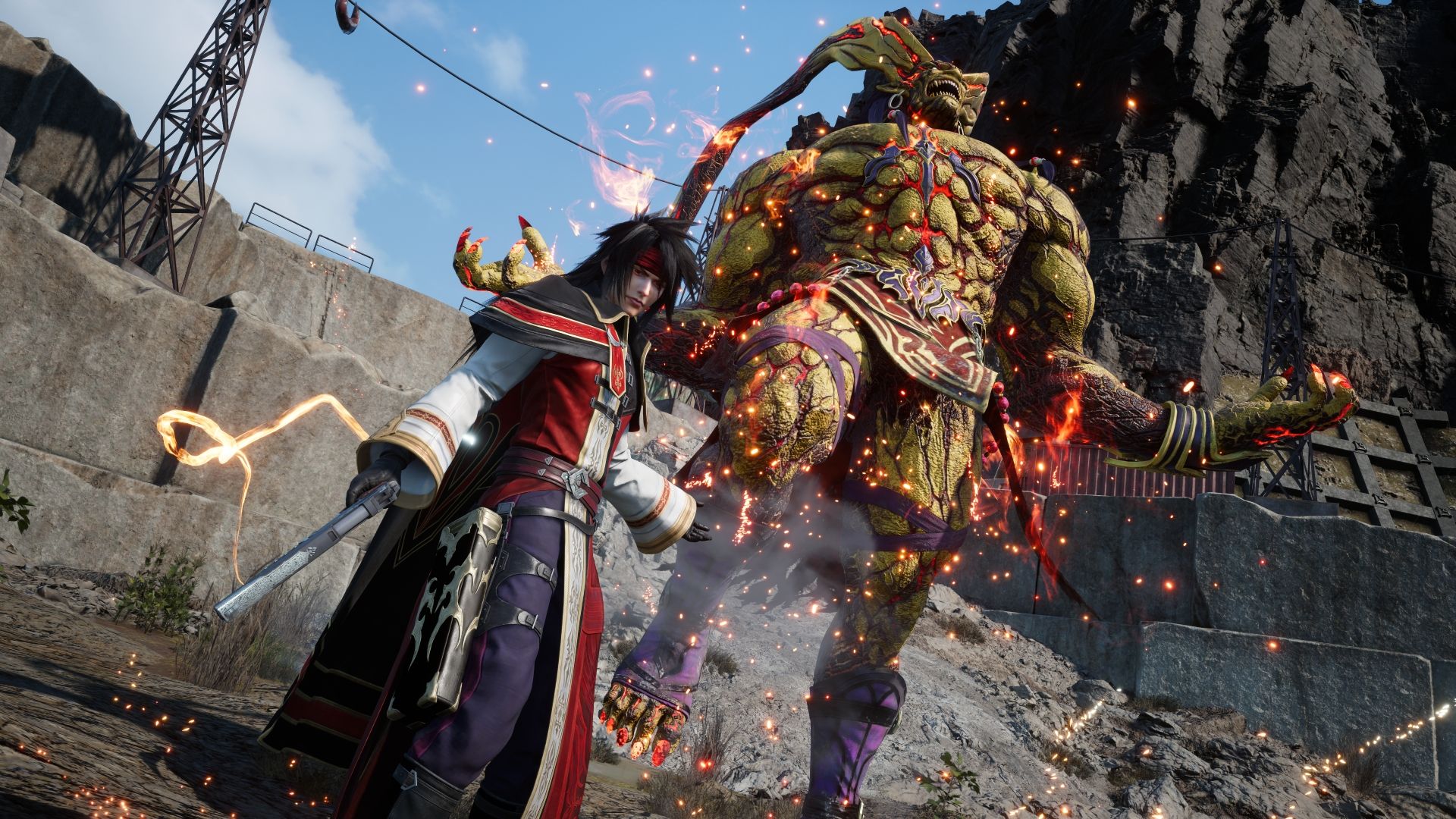 Final Fantasy 7 Revelation game director Naoki Hamaguchi said he put forward a case for a full physical release of the upcoming open-world RPG, but was limited in his authority over what he could push.
  Efficiency, productivity, the ruthless destruction of local environments in the name of the bottom line - the Satisfactory video game revels in some of the very worst excesses of modern capitalism. However, more than just satire, the engine-building game offers a robust and deeply satisfying series of systems for players to use to meet the ruthless quotas of the FICSIT corporation. This sort of ludonarrative confluence is delicious, and it's something that the folks at MOOD Publishing and Coffee Stain Studios are trying to capture as they aim to take Satisfactory from screen to tabletop in an upcoming crowdfunding campaign.